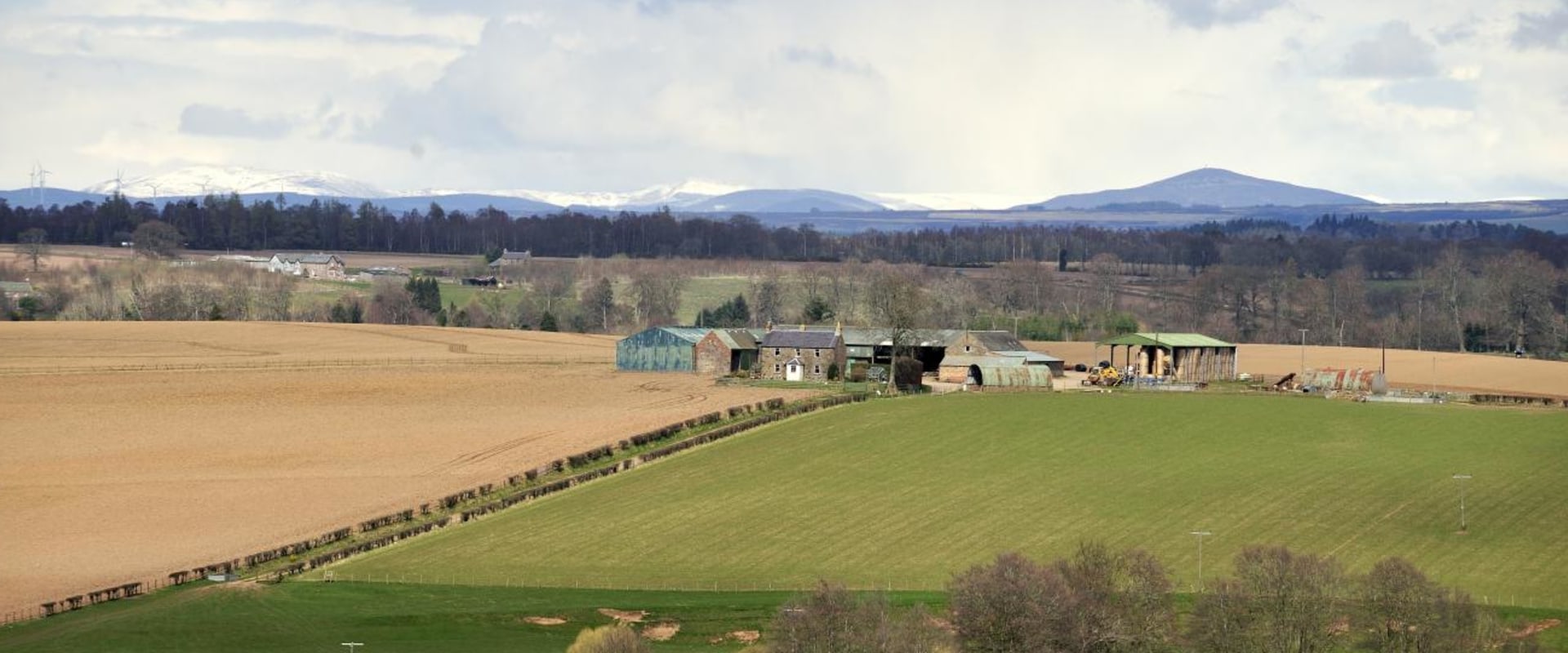
Understanding the concept of a farm is essential for anyone interested in agriculture, whether as a hobbyist, a professional, or simply a curious observer. A farm is not just a piece of land; it embodies a complex ecosystem where various agricultural practices converge to produce food, fiber, and other essential products. The definition of a farm extends beyond mere cultivation; it encompasses the entire process of raising livestock, growing crops, and managing resources sustainably. This multifaceted nature of farms often leads to confusion when distinguishing them from facilities that may also engage in agricultural activities.To clarify this distinction, it is important to recognize that while all farms can be considered facilities, not all facilities qualify as farms.
A facility might refer to any structure or location designed for specific agricultural functions, such as processing plants or storage units. However, a true farm is characterized by its active engagement in the production of agricultural goods. This includes not only the physical land but also the practices and operations that take place within it. Understanding these differences is crucial for grasping the broader implications of agricultural definitions and regulations.As we delve deeper into the nuances between farms and facilities, we will explore how federal tax laws apply to these entities and what criteria must be met for a location to be classified as a farm.
This exploration will provide valuable insights into the operational frameworks that govern agricultural practices and their significance in our economy and society. By grasping these concepts, readers will gain a clearer perspective on the vital role that farms play in sustaining our communities and the environment.
Defining a Farm: Key Characteristics
To truly understand what constitutes a farm, it is essential to explore its defining characteristics. A farm is not merely a piece of land; it is a dynamic ecosystem where various agricultural activities take place. The following key characteristics help delineate what makes a farm distinct:- Agricultural Production: At its core, a farm is primarily focused on the production of agricultural goods.
This can include crops, livestock, dairy products, and other horticultural outputs. The methods of production can vary widely, from traditional farming techniques to modern, high-tech approaches.
- Land Use: Farms typically encompass a significant area of land dedicated to agricultural activities. This land is often divided into different sections for various purposes, such as crop cultivation, grazing pastures for livestock, and areas for storage or processing of agricultural products.
- Types of Farms: There are several types of farms, each with its unique focus and methods. Some common types include:
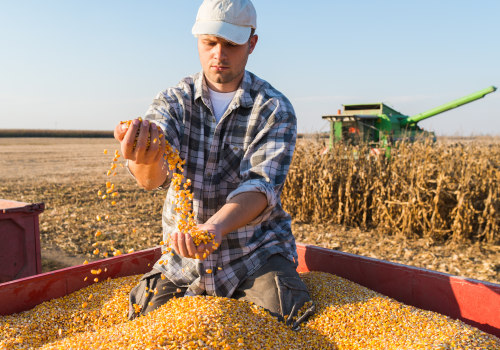
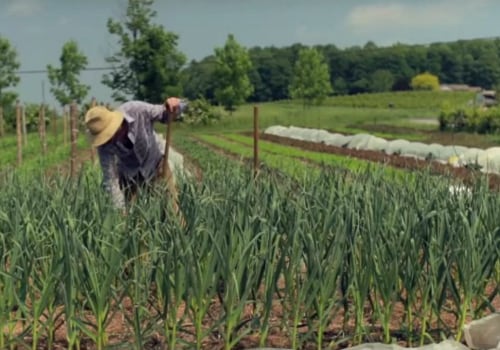
- Crop Farms: These farms specialize in growing crops such as grains, fruits, and vegetables.
- Livestock Farms: Focused on raising animals for meat, milk, or wool, these farms may include cattle ranches, poultry farms, and sheep farms.
- Dairy Farms: Specifically designed for the production of milk and dairy products, these farms often have specialized equipment for milking and processing.
- Mixed Farms: Combining both crop and livestock production, mixed farms allow for diversified income streams and resource utilization.
- Sustainability Practices: Many modern farms are increasingly adopting sustainable practices to minimize environmental impact.
This includes crop rotation, organic farming methods, and integrated pest management.
- Community Engagement: Farms often play a vital role in their local communities by providing food resources and employment opportunities. Many also engage in community-supported agriculture (CSA) programs that connect consumers directly with farmers.
The Role of Agriculture in Defining Farms
Understanding the definition of a farm is deeply intertwined with the concept of agriculture. Agriculture, in its broadest sense, refers to the practice of cultivating soil, growing crops, and raising animals for food, fiber, and other products used to sustain and enhance human life.This foundational activity not only provides the essential resources for survival but also shapes the very essence of what constitutes a farm.At its core, a farm is a specific type of agricultural operation where various practices are employed to produce goods. These practices can vary widely depending on the geographical location, climate, and available resources. For instance, in some regions, farms may focus primarily on crop production, utilizing techniques such as:
- Conventional farming: This method often involves the use of synthetic fertilizers and pesticides to maximize yield.
- Organic farming: In contrast, organic farms prioritize sustainability by avoiding synthetic chemicals and promoting biodiversity.
- Permaculture: This holistic approach integrates land, resources, people, and the environment to create sustainable agricultural systems.
- Dairy farming: Focused on producing milk and dairy products.
- Poultry farming: Raising chickens for meat or eggs.
- Cattle ranching: Involves breeding and raising cattle for beef production.
It encompasses the economic, social, and environmental impacts that these practices have on communities and ecosystems. For example, sustainable agricultural practices can lead to healthier soils and reduced environmental degradation, while intensive farming methods may contribute to soil depletion and water scarcity.Moreover, the evolution of agricultural technology has transformed traditional farming into more efficient operations. Innovations such as precision agriculture utilize data analytics and GPS technology to optimize planting and harvesting processes. This not only increases productivity but also minimizes waste and environmental impact.In summary, agriculture plays a pivotal role in shaping the definition of a farm.
By understanding various agricultural practices and their implications, we can better appreciate how farms operate within the larger framework of food production and environmental stewardship.
Understanding Facilities: What Sets Them Apart from Farms
In the realm of agriculture, the term facility often arises, yet it is crucial to understand how it diverges from the concept of a farm. A facility, in agricultural terms, refers to a specific structure or location designed for particular functions related to farming operations. This can include buildings, equipment, and other resources that support agricultural activities but do not necessarily involve the cultivation of crops or the raising of livestock.To clarify, a farm is primarily defined as a piece of land where agricultural products are grown or animals are raised. In contrast, a facility may serve various purposes within the agricultural sector without being classified as a farm itself.For instance, facilities can include:
- Processing Plants: These are facilities where raw agricultural products are transformed into consumable goods. Examples include dairy processing plants and meatpacking facilities.
- Storage Units: Facilities designed for storing harvested crops or livestock feed, ensuring that products remain safe and viable until they are sold or used.
- Research Centers: Institutions focused on agricultural research and development, often equipped with laboratories and experimental fields.
- Distribution Centers: Facilities that manage the logistics of transporting agricultural products from farms to markets.
Various laws and regulations apply differently to farms and facilities, particularly concerning zoning, environmental impact assessments, and health standards. Understanding these distinctions helps stakeholders navigate the complexities of agricultural operations more effectively.In summary, while both farms and facilities are critical components of the agricultural landscape, they serve distinct functions. A farm is primarily focused on production, whereas a facility supports various aspects of that production process through specialized functions.
Legal Definitions: Farms vs. Facilities in Agricultural Law
Understanding the legal definitions of a farm and a facility is crucial for anyone involved in agriculture, as these definitions can significantly impact tax obligations and compliance with federal regulations.The Internal Revenue Code (IRC) provides a framework for distinguishing between the two, which is essential for farmers and agricultural businesses.At its core, a farm is defined as a location where agricultural or horticultural products are cultivated. This encompasses a variety of operations, including:
- Crop production
- Livestock raising
- Dairy farming
- Poultry operations
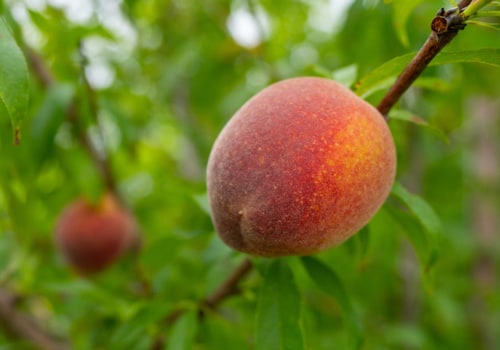
- Fruit orchards
- Nurseries and greenhouses
- Ranches and pastures
Tax Implications:
The classification of an operation as a farm or facility can influence tax treatment under federal law.
Farms often qualify for specific tax benefits, such as:
- Deductions for operational expenses
- Exemptions from certain sales taxes on agricultural supplies
- Eligibility for various federal programs aimed at supporting farmers
Common Misconceptions About Farms and Facilities
When discussing the concept of a farm, many people harbor misconceptions that can lead to confusion about what constitutes a farm versus a facility.Understanding these distinctions is crucial for anyone involved in agriculture or simply interested in the topic. Below, we address some of the most common myths and clarify the definitions surrounding farms and facilities.
- Myth 1: All Farms Are Large Operations
Many individuals believe that a farm must be a vast expanse of land with numerous animals and crops. In reality, farms can vary significantly in size. A farm can be as small as a backyard garden that produces vegetables for personal consumption or as large as thousands of acres dedicated to commercial agriculture.The key factor is the intent to produce agricultural products, regardless of scale.
- Myth 2: Facilities Are Farms
Another common misconception is that any facility involved in agricultural production qualifies as a farm. While facilities such as greenhouses, barns, and processing plants play essential roles in the agricultural supply chain, they do not meet the definition of a farm unless they are directly involved in the cultivation or raising of agricultural products. - Myth 3: Farms Only Produce Food
Some people think that farms are solely focused on food production. However, farms can also produce non-food items such as flowers, ornamental plants, and even biofuels. This broadens the definition of what constitutes a farm and highlights the diversity within agricultural practices. - Myth 4: All Farms Use Traditional Methods
There is a perception that all farms operate using traditional farming methods.In truth, many modern farms employ advanced technologies such as precision agriculture, hydroponics, and organic farming techniques. These innovations enhance productivity and sustainability, challenging the notion that farming is solely about conventional practices.
The Economic Impact of Farms vs. Facilities
The economic landscape of agriculture is shaped significantly by the roles that farms and facilities play.Understanding the distinction between these two entities is crucial for grasping their respective impacts on the agricultural economy.
Farms
are often viewed as the backbone of agricultural production. They are primarily engaged in the cultivation of crops and the raising of livestock, which directly contributes to food supply chains. The economic impact of farms can be observed in several key areas:
- Job Creation: Farms provide employment opportunities not only for farmers but also for seasonal workers, agronomists, and support staff. This job creation is vital for rural economies, where alternative employment options may be limited.
- Local Economies: Farms stimulate local economies by purchasing supplies, equipment, and services from nearby businesses.
This creates a multiplier effect, where money spent in the community circulates and supports additional jobs and services.
- Export Opportunities: Many farms produce goods that are exported internationally, contributing to national trade balances and generating revenue that can be reinvested into local communities.
- Value Addition: Facilities often process raw materials into finished goods, increasing their market value. For instance, dairy facilities convert milk into cheese or yogurt, which can command higher prices than raw milk.
- Supply Chain Efficiency: Facilities help streamline supply chains by providing storage solutions that allow for better inventory management. This efficiency can reduce waste and ensure that products reach consumers in optimal condition.
- Technological Advancements: Many facilities invest in technology that improves production processes, leading to increased efficiency and reduced costs.
This innovation can benefit both farms and consumers.
Future Trends: The Evolution of Farms and Facilities
As we look towards the future of agriculture, it is essential to recognize the transformative trends that are shaping both farms and agricultural facilities. These trends are driven by technological advancements, sustainability practices, and changing consumer demands, all of which are redefining what it means to operate a successful farm.Technological Innovations
- Precision Agriculture: This approach utilizes data analytics, GPS technology, and IoT devices to optimize farming practices. By monitoring soil health, crop conditions, and weather patterns in real-time, farmers can make informed decisions that enhance productivity while minimizing resource waste.
- Automation and Robotics: The integration of robotics in farming operations is on the rise.
Automated machinery for planting, harvesting, and even monitoring crops reduces labor costs and increases efficiency. Drones are also becoming commonplace for aerial surveillance and crop health assessment.
- Vertical Farming: As urbanization continues to grow, vertical farming presents a solution for food production in limited spaces. This innovative method allows for the cultivation of crops in stacked layers, utilizing controlled environments to maximize yield while reducing land use.
Sustainability Practices
- Regenerative Agriculture: This holistic approach focuses on restoring soil health and biodiversity. By implementing practices such as cover cropping, crop rotation, and reduced tillage, farmers can enhance ecosystem resilience while sequestering carbon.
- Water Conservation: With water scarcity becoming a pressing issue, farms are adopting advanced irrigation techniques like drip irrigation and rainwater harvesting systems.
These methods not only conserve water but also improve crop yields.
- Organic Farming: The demand for organic produce continues to rise as consumers become more health-conscious. Farms that transition to organic practices often see increased market opportunities and consumer loyalty.
Conclusion: Summarizing the Distinction Between Farms and Facilities
In conclusion, understanding the distinction between a farm and a facility is crucial for anyone involved in agriculture or related industries.Throughout this article, we have explored the various definitions and characteristics that define a farm, emphasizing its role as a place dedicated to the cultivation of agricultural products.To summarize, a farm is primarily recognized as a site where agricultural or horticultural activities take place. This includes a diverse array of operations such as:
- Cattle ranching
- Dairy farming
- Poultry production
- Fruit and vegetable cultivation
- Greenhouse operations
- Nurseries and plant nurseries
- Pastures and grazing lands
Whether you are a seasoned farmer or someone new to the field, grasping these concepts will enhance your understanding of the agricultural sector and its multifaceted nature.In closing, we encourage readers to delve deeper into the world of agriculture. By expanding your knowledge about farms and their operational frameworks, you can contribute to discussions about sustainable practices, food security, and the future of farming.