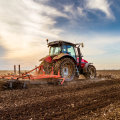
When considering the profitability of a farm, particularly a 40-acre operation, it is essential to understand the multifaceted nature of agricultural income. Farming is not merely about planting seeds and harvesting crops; it encompasses a complex interplay of various factors that can significantly influence financial outcomes. From the choice of crops to market access, each decision can either enhance or diminish the potential for profit. This section aims to provide a foundational understanding of what makes farming profitable and the key elements that aspiring farmers should consider.The income potential of a farm is influenced by several critical aspects, including location, crop selection, operational costs, and market demand.
For instance, a farm situated in an area with rich soil and favorable climate conditions may yield higher returns than one in less ideal circumstances. Additionally, the type of farming—whether it be crop production, livestock raising, or a combination—will dictate not only the initial investment required but also the ongoing operational expenses. Understanding these dynamics is crucial for anyone looking to embark on a farming venture.Moreover, the profitability of agriculture is not static; it fluctuates based on external factors such as economic trends, consumer preferences, and even government policies. Farmers must remain adaptable and informed about these changes to maximize their income potential.
By delving into the intricacies of farming profitability, this article will equip you with insights that can help you navigate the challenges and opportunities that come with managing a 40-acre farm.
The Role of Location in Farm Profitability
The geographical location of a farm plays a pivotal role in determining its overall profitability. Various factors associated with location can significantly influence land prices, crop selection, and market access, all of which are crucial for a successful farming operation.One of the primary considerations is the land value. In regions where agricultural land is in high demand, prices can soar, making it challenging for new farmers to enter the market. Conversely, areas with lower land values may offer more affordable options but could come with trade-offs such as limited access to resources and markets.Understanding the local real estate trends is essential for prospective farmers to make informed decisions.Another critical aspect is the climate and soil quality. Different crops thrive in specific climates and soil types. For instance, a farm located in a temperate region may be ideal for growing fruits and vegetables, while a farm in a drier climate might be better suited for grains or drought-resistant crops. Conducting thorough research on the local climate patterns and soil conditions can help farmers choose the right crops that will yield the best returns.Access to markets is equally important.
Farms situated near urban centers often have better opportunities to sell their products directly to consumers or local businesses. This proximity can lead to higher profit margins due to reduced transportation costs and increased demand for fresh produce. In contrast, farms located in remote areas may face challenges in reaching potential buyers, which can limit their profitability.Additionally, local infrastructure such as roads, transportation networks, and storage facilities can impact a farm's efficiency and profitability. Well-developed infrastructure facilitates easier access to markets and resources, while poor infrastructure can hinder operations and increase costs.In summary, when considering the establishment of a farm, it is vital to evaluate the location carefully.
Factors such as land value, climate suitability, market access, and infrastructure all contribute to the potential success of a farming venture. By choosing an optimal location, farmers can enhance their chances of achieving profitability and sustainability in their agricultural endeavors.
Types of Farming: Choosing the Right Approach
When considering the profitability of a 40 acre farm, one of the most critical decisions is the type of farming to pursue. Each approach—whether it be crop farming, livestock farming, or a combination known as mixed farming—comes with its own set of advantages and challenges. Understanding these differences can help aspiring farmers make informed choices that align with their goals and resources.Crop Farming
Crop farming involves the cultivation of plants for food, fiber, or other products.This method can be highly profitable, especially when focusing on high-demand crops such as fruits, vegetables, or specialty grains. However, successful crop farming requires:
- Soil Quality: Healthy soil is essential for maximizing yields. Farmers must invest in soil testing and amendments to ensure optimal growing conditions.
- Water Management: Efficient irrigation systems are crucial, particularly in areas prone to drought.
- Pest Control: Integrated pest management strategies can help protect crops without relying solely on chemical pesticides.
Livestock Farming
On the other hand, livestock farming focuses on raising animals for meat, milk, wool, or other products. This type of farming can provide a steady income stream through the sale of animal products.Key considerations include:
- Animal Welfare: Ensuring the health and well-being of livestock is paramount for productivity and ethical standards.
- Infrastructure Needs: Livestock operations require significant investment in facilities such as barns, fencing, and feeding systems.
- Market Demand: Understanding local demand for meat or dairy products can influence profitability.
Mixed Farming: A Balanced Approach
Mixed farming combines both crop and livestock production on the same farm. This approach offers several benefits:- Diverse Income Streams: By producing both crops and livestock, farmers can mitigate risks associated with market fluctuations in either sector.
- Nutrient Recycling: Livestock manure can be used to fertilize crops, creating a sustainable cycle that enhances soil health.
- Resource Optimization: Mixed farms can utilize land more efficiently by rotating crops and grazing animals on pastureland.
Cost Analysis: Understanding Operational Expenses
When considering the profitability of a 40-acre farm, understanding the operational expenses is crucial. These costs can significantly impact your bottom line and dictate the overall success of your farming venture.Below, we break down the primary categories of expenses that aspiring farmers should anticipate.
Land Acquisition Costs
The first major expense is the cost of acquiring the land itself. This can vary widely based on location, soil quality, and market demand. In addition to the purchase price, potential farmers should also consider:- Closing Costs: Fees associated with the purchase process, including title insurance and legal fees.
- Property Taxes: Ongoing taxes that can fluctuate based on local regulations and property assessments.
- Insurance: Protecting your investment with appropriate insurance coverage for natural disasters or liability.
Equipment and Infrastructure
Next, you will need to invest in equipment and infrastructure necessary for farming operations. This includes:- Tractors and Machinery: Essential for planting, cultivating, and harvesting crops.
The cost can range from a few thousand to several hundred thousand dollars depending on size and capability.
- Irrigation Systems: Depending on your crop choices and climate, an efficient irrigation system can be a significant investment but is vital for crop health.
- Storage Facilities: Buildings for storing equipment, seeds, and harvested crops to prevent spoilage or damage.
Labor Costs
The labor force is another critical component of operational costs. Depending on the scale of your farm, you may need to hire seasonal or full-time workers. Consider the following:- Salaries and Wages: Competitive pay is essential to attract skilled laborers.
- Training Costs: Investing in training ensures that employees are knowledgeable about best practices in farming.
- Benefits: Offering benefits such as health insurance can help retain quality workers.
Supplies and Inputs
Your farm will also require various supplies and inputs that contribute to operational costs:- Seeds and Plants: The initial investment in seeds or young plants can vary based on crop selection.
- Fertilizers and Pesticides: Essential for maintaining soil health and protecting crops from pests; these costs can add up quickly.
- Utilities: Water, electricity, and fuel are ongoing expenses that must be factored into your budget.
Market Demand: Selling Your Farm Products Effectively
Understanding market demand is crucial for the profitability of your 40-acre farm.The products you choose to cultivate or raise must align with consumer preferences and market trends. This alignment not only enhances your sales potential but also ensures that you can command favorable prices for your goods.To effectively sell your farm products, consider the following strategies:
- Research Local Markets: Begin by analyzing the demand for various crops and livestock in your area. Farmers' markets, local grocery stores, and restaurants can provide insights into what products are popular. Engaging with local consumers can also help you understand their preferences.
- Diversify Your Offerings: Instead of focusing solely on one type of crop or livestock, consider diversifying your product range.
This approach can mitigate risks associated with market fluctuations. For instance, if vegetable prices drop, having a selection of fruits or grains can help maintain your income.
- Utilize Online Platforms: In today’s digital age, leveraging online marketplaces can significantly expand your reach. Websites and social media platforms allow you to connect with a broader audience, making it easier to sell directly to consumers.
- Establish Relationships with Local Businesses: Building partnerships with local restaurants and grocery stores can create a steady demand for your products. Many businesses prefer sourcing locally to support their community and offer fresh produce to their customers.
- Implement Pricing Strategies: Understanding how to price your products competitively is essential.
Consider factors such as production costs, market prices, and consumer willingness to pay. Offering seasonal discounts or bulk pricing can also attract more customers.
Navigating Regulations and Policies in Agriculture
When considering the profitability of a 40 acre farm, it is essential to understand the landscape of agricultural regulations and policies that govern farming practices.These regulations can significantly impact operations, from land use to product marketing, and navigating them effectively is crucial for success.
Understanding Agricultural Regulations
- Land Use Regulations: Local zoning laws dictate how land can be utilized. Farmers must ensure their activities comply with these regulations to avoid fines or legal issues.
- Environmental Regulations: Compliance with environmental laws is critical. This includes managing waste, protecting water sources, and adhering to guidelines for pesticide and fertilizer use.
- Food Safety Standards: Farmers must meet federal and state food safety standards, which govern everything from production practices to packaging and labeling. Non-compliance can lead to product recalls and loss of consumer trust.
The Impact of Farming Policies
Government policies can also influence the profitability of a farm.
These policies may include:
- Subsidies and Grants: Various programs offer financial assistance to farmers, helping them offset costs related to equipment, seeds, or sustainable practices. Understanding available subsidies can enhance profitability.
- Trade Policies: International trade agreements affect market access for agricultural products. Farmers should stay informed about tariffs and trade restrictions that could impact their sales.
- Insurance Programs: Crop insurance and disaster relief programs are vital for mitigating risks associated with farming. Familiarity with these options can provide a safety net during challenging times.
Navigating Compliance in Agriculture
Compliance is not just about avoiding penalties; it can also enhance a farm's reputation and marketability.
Here are some strategies for effective compliance:
- Stay Informed: Regularly review updates on local, state, and federal regulations that affect your farming operations.
- Consult Experts: Engaging with agricultural consultants or legal experts can provide valuable insights into navigating complex regulations.
- Implement Best Practices: Adopting sustainable farming practices not only helps in compliance but also appeals to environmentally conscious consumers.
Adapting to Environmental Factors: Weather and Climate Considerations
Farming is inherently tied to the environment, and understanding the impact of weather and climate on agricultural practices is crucial for success. Farmers must navigate a complex web of environmental factors that can significantly influence crop yields and livestock health. This section delves into how weather patterns and climate conditions affect farming operations and offers insights on adapting to these challenges.Weather Variability
Weather can change rapidly, and its variability poses a significant challenge for farmers.
Key weather elements such as temperature, precipitation, and wind can directly affect the growth cycles of crops. For instance:
- Temperature: Extreme temperatures, whether too hot or too cold, can hinder plant growth or even lead to crop failure. Understanding the optimal temperature ranges for specific crops is essential for planning planting and harvesting schedules.
- Precipitation: Both droughts and excessive rainfall can devastate crops. Drought conditions can lead to water shortages, while heavy rains can cause soil erosion and flooding, damaging root systems.
- Wind: Strong winds can physically damage crops, especially those that are tall or have delicate structures.
Windbreaks or strategic planting can help mitigate this risk.
Climate Considerations
The long-term climate trends in a region also play a vital role in determining what types of farming practices will be successful. Factors such as:
- Growing Season Length: Regions with longer growing seasons allow for multiple crop cycles per year, increasing potential yields.
- Soil Type and Quality: Different soils retain moisture differently; understanding local soil types helps farmers choose appropriate crops and manage irrigation effectively.
- Pest and Disease Pressure: Warmer climates may lead to increased pest populations, necessitating more robust pest management strategies.
Adapting to Environmental Changes
To thrive in an ever-changing environment, farmers must adopt adaptive strategies. Here are some effective approaches:
- Diverse Crop Rotation: Implementing a diverse crop rotation system can improve soil health and reduce pest pressures.
- Irrigation Management: Utilizing efficient irrigation systems such as drip irrigation can conserve water while ensuring crops receive adequate moisture.
- Climate-Resilient Varieties: Selecting crop varieties that are bred for resilience against specific climate challenges (e.g., drought-resistant or flood-tolerant varieties) can enhance productivity.
- Sustainable Practices: Incorporating sustainable farming practices such as cover cropping and reduced tillage can improve soil structure and health, making farms more resilient to weather extremes.
Risk Management: Preparing for Unforeseen Challenges
Farming is inherently fraught with uncertainties, making risk management a critical component of successful agricultural operations.Farmers must be prepared to face a variety of challenges, from unpredictable weather patterns to fluctuating market prices. Implementing effective risk management strategies can help safeguard the financial stability of a 40-acre farm.One of the first steps in managing risks is to conduct a thorough risk assessment. This involves identifying potential risks that could impact the farm's operations and profitability. Common risks include:
- Natural Disasters: Events such as floods, droughts, hurricanes, and wildfires can devastate crops and livestock.
- Pest and Disease Outbreaks: Infestations or diseases can lead to significant losses if not managed promptly.
- Market Fluctuations: Changes in demand or prices for agricultural products can affect revenue.
- Regulatory Changes: New laws or regulations can impose additional costs or restrictions on farming practices.
This plan should include:
- Diversification: Growing a variety of crops or raising different types of livestock can reduce dependency on a single source of income and mitigate losses from specific failures.
- Insurance: Investing in crop insurance or livestock insurance can provide financial protection against losses due to natural disasters or market downturns.
- Emergency Preparedness: Establishing protocols for disaster response, including evacuation plans and resource allocation, ensures that the farm can quickly recover from unforeseen events.
- Financial Reserves: Maintaining a cash reserve can help cover unexpected expenses or losses during tough times.
Success Stories: Learning from Experienced Farmers
Learning from the experiences of successful farmers can provide invaluable insights for those considering a 40-acre farm. Here are a few inspiring stories that highlight different approaches to farming profitability.Case Study 1: The Organic Vegetable Farm
Jane and Tom, a couple from Oregon, transformed their 40-acre plot into a thriving organic vegetable farm.Initially, they faced challenges with soil quality and pest management. However, by investing in organic farming techniques and utilizing cover crops, they improved their soil health significantly. Their focus on sustainability attracted a loyal customer base at local farmers' markets and through a subscription-based Community Supported Agriculture (CSA) program.
- Key Takeaway: Prioritizing soil health and sustainable practices can lead to long-term profitability.
- Market Strategy: Engaging directly with consumers through farmers' markets and CSAs can enhance sales.
Case Study 2: Diversified Livestock Farming
In Texas, Mark operates a diversified livestock farm on his 40 acres, raising cattle, goats, and chickens. By implementing rotational grazing practices, he maximizes pasture use while minimizing feed costs.Mark also sells meat directly to consumers and local restaurants, which has significantly increased his profit margins. His ability to adapt to market demands has allowed him to thrive even during economic downturns.
- Key Takeaway: Diversification in livestock can mitigate risks and enhance profitability.
- Adaptability: Being responsive to market trends is crucial for sustained success.
Case Study 3: Specialty Crop Farming
Susan, a farmer in California, specializes in growing exotic fruits on her 40-acre farm. By conducting thorough market research, she identified a niche for tropical fruits like dragon fruit and lychee. Her strategic partnerships with local grocery stores have allowed her to secure premium prices for her products.Susan's story illustrates the importance of understanding market demand and leveraging unique offerings.
- Key Takeaway: Identifying niche markets can lead to higher profit margins.
- Networking: Building relationships with local businesses can enhance distribution channels.
Conclusion: Key Takeaways on Farming Profitability
In conclusion, the profitability of a 40-acre farm is influenced by a multitude of factors that require careful consideration and strategic planning. As we have explored throughout this article, understanding the nuances of farming can significantly impact your financial success.Key takeaways include:
- Location Matters: The geographical location of your farm plays a crucial role in determining land prices, access to markets, and the types of crops or livestock that can thrive. A well-situated farm can enhance profitability through better market access and resource availability.
- Type of Farming: Whether you choose crop farming, livestock farming, or a combination of both will greatly affect your operational costs and potential profits.
Each type has its own set of challenges and rewards, so it’s essential to align your farming practices with market demand and personal expertise.
- Operational Costs: Understanding and managing operational costs is vital. This includes everything from land acquisition to equipment, labor, seeds, fertilizers, and other necessary supplies. Many new farmers underestimate these costs, which can lead to financial strain.
- Market Demand: Researching market demand for your products is essential for maximizing profitability. High demand can allow you to sell at premium prices, while low demand may force you to lower prices, impacting your profit margins.
- Adaptability: The agricultural landscape is ever-changing due to factors like government regulations, climate change, and unexpected events such as natural disasters.
Staying informed and adaptable will help you navigate these challenges effectively.